Loading...
Serving Rancho Cordova, CA and surrounding areas. (916) 618-0487
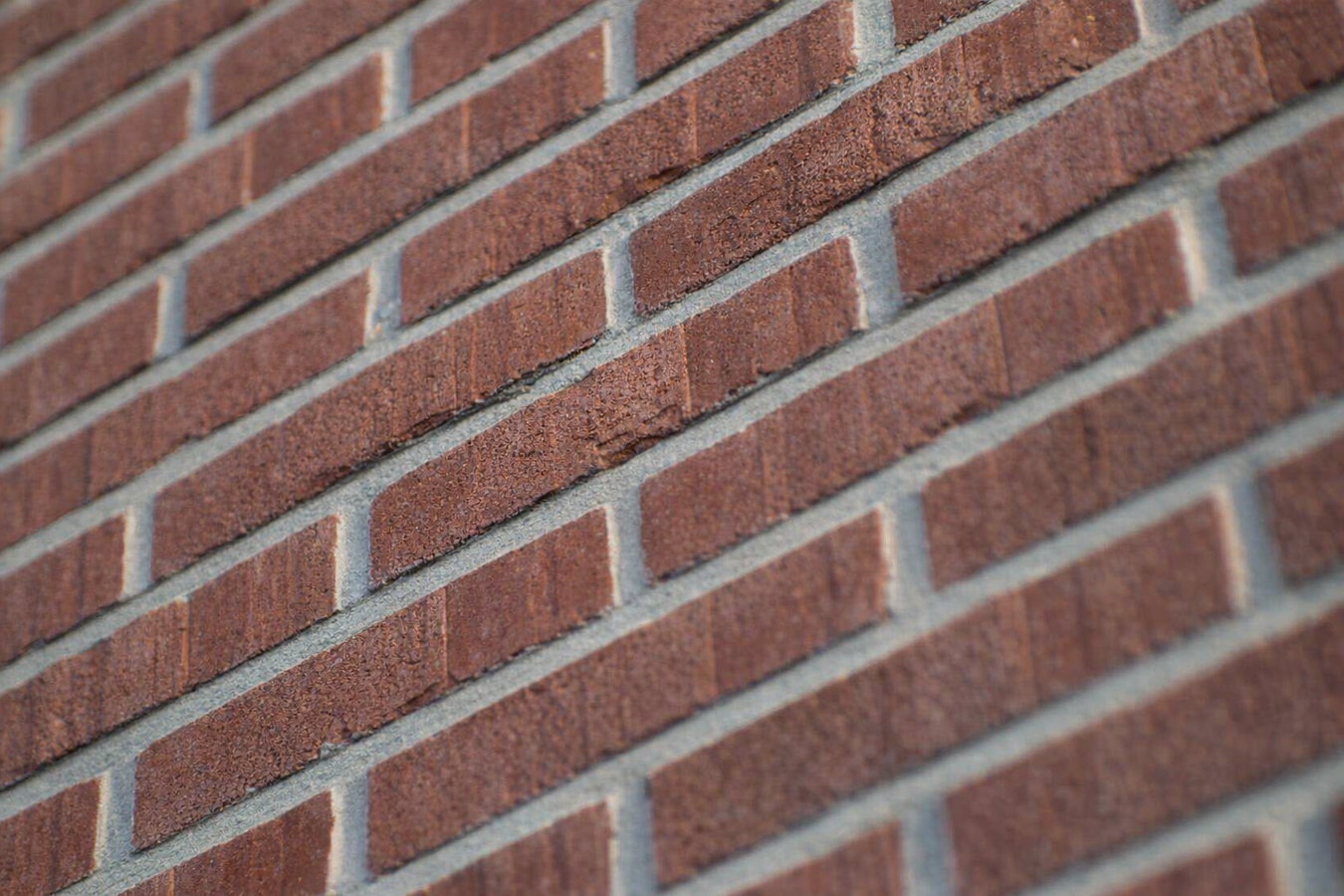
Crumbling mortar between your bricks is not just cosmetic - it is an open door for water. We repoint chimneys, garden walls, and brick exteriors across Rancho Cordova, matching mortar to your existing joints so the finished work looks right and holds for decades.
Brick pointing in Rancho Cordova is the process of removing deteriorated mortar from the joints between bricks and packing in fresh material - most residential jobs on a chimney or short wall take one to three days, and the work rarely requires a permit unless it crosses into structural rebuilding.
Mortar is softer than brick by design - it absorbs movement and stress so the bricks themselves stay intact. But that softness means it wears out faster, especially when exposed to Rancho Cordova's repeated summer heat and the wet-dry cycle that clay soils in this area go through every year. Most mortar joints start showing real deterioration somewhere between 20 and 30 years after installation. A large share of homes in this city were built between the late 1960s and the 1990s, which means original mortar on many of those chimneys, garden walls, and brick planters is now at or past that threshold. For homes where the deterioration has gone beyond the joints and into the brick itself, our masonry restoration service covers more comprehensive repair and rebuilding work.
The reason timing matters is straightforward: water that gets behind brick through open joints causes far more expensive damage than pointing alone. In Sacramento Valley winters, even the mild freeze-thaw nights this area sees can expand trapped moisture and push bricks loose. Catching deteriorating joints while it is still just a mortar problem - not a structural one - keeps the repair cost predictable and manageable.
Run your finger along the mortar lines on your chimney, garden wall, or brick exterior. If the material crumbles away easily, feels sandy, or you can see actual gaps where mortar used to be, water is getting in. You should not be able to dig into the mortar with your fingernail - if you can, it is past time to call someone.
That white residue on brick walls is efflorescence - salt pushed to the surface by water moving through the wall. It is not dangerous on its own, but it is a reliable sign that moisture is entering somewhere, often through failed mortar joints. In Rancho Cordova, where fall rains follow a long dry summer, this staining often shows up most visibly in October and November.
Rancho Cordova's clay soils shift with the wet-dry cycle each year, and chimneys - tall and unsupported - feel that movement more than any other part of the house. If you can see cracks running through mortar joints near the top of your chimney, or any bricks that look shifted out of line, the mortar is no longer doing its job and water is likely getting in.
Damp spots, staining, or a musty smell near your fireplace or an exterior brick wall after rain almost certainly means water is entering through deteriorated joints. This is one of the most urgent signs - water inside the wall can damage framing, insulation, and drywall quickly. Do not wait on this one.
We handle brick pointing on chimneys, garden walls, retaining walls, decorative brick planters, and exterior brick sections of homes throughout Rancho Cordova. The process is the same regardless of surface: we use a small grinder or hand tools to remove the old mortar to a consistent depth of about three-quarters of an inch, then pack in fresh mortar by hand, tool the joints smooth, and clean any smears off the brick face as we go. Mortar matching is part of the job - we assess your existing joints in both color and hardness before mixing, so the finished work blends in rather than standing out as a patch. For situations where the pointing work reveals more significant brick damage underneath, we can address individual brick replacement and broader repairs through our foundation repair service if structural elements are involved, and general brick surface repairs are covered as well.
One question homeowners often ask is whether a mortar that is too hard will cause problems. The answer is yes - using a mortar that is stiffer than the original on older brickwork forces the bricks to absorb movement instead of the joint, and over time that cracks the bricks rather than the mortar. We match mortar hardness to your existing masonry, not just the color, which is the detail that separates a repair that lasts 25 years from one that starts causing new problems within five. The Brick Industry Association documents mortar selection guidelines for existing masonry, and we work to those standards on every repointing job.
Best for homeowners whose chimney shows cracked, crumbling, or missing mortar joints and who want to seal it before the rainy season arrives.
Right for homeowners with freestanding brick walls where the mortar has deteriorated over years of sun exposure and seasonal soil movement.
Suited to homeowners with a brick section of their home exterior - a decorative panel, a foundation course, or a full facade - where joints have started to fail.
Ideal for homeowners with original 1970s or 1980s brick planters, steps, or yard features where the mortar has softened but the brick itself is still in good shape.
Two local conditions make brick pointing a higher priority here than in many other California cities. First, Rancho Cordova's summer heat - regularly above 95 degrees on south- and west-facing walls - causes mortar to expand and contract repeatedly through the season, which accelerates cracking and crumbling on exposed surfaces. Second, the city sits on clay-heavy soil that swells in wet winters and shrinks in dry summers. That seasonal ground movement puts stress on chimneys and freestanding walls that do not have the structural support of a full building around them, and it opens mortar joints faster than most homeowners expect. Neighborhoods including Gold River and Carmichael share the same soil and climate conditions, and homeowners across the region face the same mortar wear timeline.
A large share of Rancho Cordova's residential neighborhoods were developed during the city's growth boom from the late 1960s through the 1990s. Brick chimneys, decorative brick facades, and brick garden walls from that era are now 30 to 50 years old - right in the window when original mortar joints typically need their first full repointing. If your home was built during that period and the mortar has never been touched, it is worth a close look before the next rainy season. Fall is the best window for this work in Rancho Cordova: the weather is dry and warm for proper curing, and you go into winter with sealed joints rather than open ones.
When you reach out, describe what you are seeing - crumbling joints, staining, a chimney, a garden wall, or a section of your home's exterior. A good mason will ask about your home's age and the location before giving any numbers. We reply within one business day and will tell you upfront if a phone conversation is enough or if we need to see the job in person first.
We visit in person before committing to a price. The mason checks how deep the damage goes, assesses whether any bricks need replacing, and looks at the existing mortar to plan a match. This visit takes 20 to 45 minutes and is free of charge - you get a written estimate before any work begins.
Before the crew arrives, move outdoor furniture, planters, and decorations away from the work zone. If the work is near a window or door, put a sheet over nearby indoor surfaces to catch any dust that drifts in. That is about all you need to do - the mason handles everything else.
The crew removes old mortar, packs in fresh material, tools the joints smooth, and cleans any smears off the brick face as they go. Before leaving, they walk the job with you and explain the curing period - typically 24 to 48 hours before the area can get wet, and up to 28 days to full strength. In Rancho Cordova's summer heat, the mason may lightly mist new joints over the first day or two - that is normal and good practice.
No obligation. We look at the job in person and give you a written estimate - most brick pointing projects are quoted and completed within two to three weeks of first contact.
(916) 618-0487The most common complaint after rushed pointing work is that the new mortar stands out - wrong color, wrong texture, wrong finish. In older Rancho Cordova neighborhoods where original brick has a specific character, that mismatch is obvious. We assess your existing mortar before mixing so the finished joints blend in rather than announce themselves as a patch.
Fresh mortar in Rancho Cordova's summer heat can dry too fast and crack before it fully bonds. We manage this with proper scheduling, shading, and mist application during the first day or two - standard practice for experienced masons working in the Sacramento Valley, and something worth asking about if you are comparing contractors.
Sometimes pointing work reveals that a few bricks are also cracked or spalled and need replacing - not just the joints around them. We flag those situations at the assessment stage and include brick replacement in the scope when needed, so you are not left with new mortar around damaged bricks that will cause the same problem again in a few years.
Mortar smeared across brick faces and left to harden is one of the most visible signs of rushed work. We clean excess mortar off the brick surface as we go - not as an afterthought when the crew is packing up. When we leave, the work area looks finished, not like a job site waiting for someone to come back and clean up.
Brick pointing is one of those repairs that is easy to put off because the damage is not dramatic - crumbling mortar does not look like an emergency. But the cost difference between addressing it now and addressing it after water has been working its way in for another season or two is significant. A small, predictable repair today beats a much larger conversation later.
When brick pointing is not enough - full masonry restoration covers structural brick and stone repair, rebuilding deteriorated sections, and bringing aged masonry back to sound condition.
Learn MoreIf deteriorating masonry on a wall or chimney has led to structural movement or foundation concerns, foundation repair addresses the underlying stability issue.
Learn MoreFall is the best window for this work - schedule now before the rainy season arrives and open joints become a water problem.