Loading...
Serving Rancho Cordova, CA and surrounding areas. (916) 618-0487
Rancho Cordova Masonry & Concrete serves Sacramento homeowners with masonry restoration, brick repair, foundation work, and chimney repair - across neighborhoods from Midtown to Natomas. We have been working throughout the Sacramento area since 2017 and respond to every inquiry within one business day.
Sacramento has a large inventory of Craftsman bungalows and Victorian-era homes in neighborhoods like Midtown and East Sacramento, many with original brick foundations, chimneys, and decorative masonry that has been weathering since the early 1900s. Restoration brings aging masonry back without replacing it wholesale - read more about our masonry restoration services and what the process looks like on older Sacramento homes.
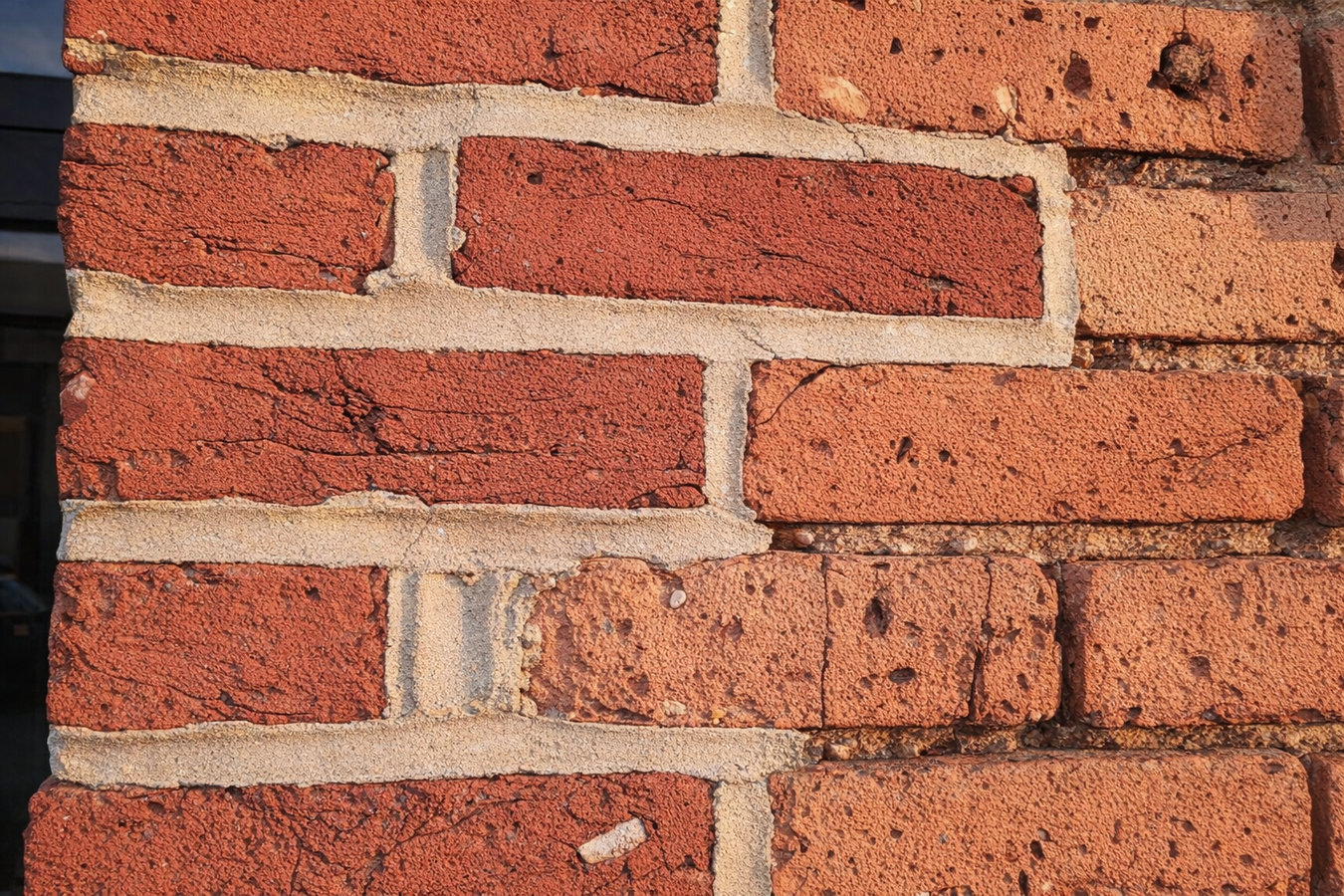
The postwar ranch homes spread across Curtis Park, Land Park, and Tahoe Park were built with brick accents, fireplaces, and chimneys that are now 50 to 70 years old. Spalling brick and crumbling mortar joints are maintenance issues that compound quickly when Sacramento's winter rains get behind the wall face. Early repair prevents the need for larger, more expensive work later.
Sacramento's flat valley terrain and clay-heavy soil create conditions that stress foundations repeatedly over each seasonal cycle. Homes near the American River parkway corridor may also experience higher moisture levels around their foundations during wet years. We assess both the structural condition and drainage situation before recommending any repair approach.
Older Sacramento homes in East Sacramento and Midtown frequently have original brick chimneys from the 1920s and 1930s. Cracked crowns, spalling brick, and failed mortar caps are common after decades of tule fog winters followed by triple-digit summers. A chimney that is unsafe to use is also a source of moisture intrusion that damages the surrounding structure.
Properties in North Sacramento and the areas near the American River bluffs often require retaining walls to manage grade changes and prevent erosion during the rainy season. We build walls sized and engineered for the actual soil load, not just whatever materials are cheapest - because walls that fail in this climate do so during the worst possible time of year.
Brick facades and chimneys on Sacramento's older housing stock have mortar joints that soften and erode after years of exposure to tule fog, winter rain, and summer heat. Tuckpointing removes deteriorated mortar and replaces it with a fresh, weather-resistant joint - a straightforward job that extends the life of the surrounding masonry by decades when done before moisture penetrates.
Sacramento has one of the most diverse housing inventories of any California city, spanning homes built in the 1890s through the 2010s within just a few miles of each other. That range means masonry conditions vary dramatically from block to block. In neighborhoods like Midtown and East Sacramento, the work tends to involve brick foundations, original masonry fireplaces, and mortar that has been absorbing moisture through eight or nine decades of Sacramento winters. In Natomas or North Sacramento tracts from the 1990s, the challenges are different - stucco cracking, drainage failures, and concrete flatwork heaving on expansive clay.
Sacramento's winters bring persistent tule fog, a ground-level moisture condition unique to the Central Valley that keeps exterior masonry damp for weeks at a time. That damp-then-bake cycle - wet fog in January, then 100-degree heat by July - stresses mortar and brick faster than a simpler climate would. Contractors who work primarily in drier or more temperate parts of the state often underestimate how much this cycle accelerates mortar erosion and stucco cracking on Sacramento homes.
Our crew works throughout Sacramento regularly, and we understand the local conditions that affect masonry contractor work here. For permitted projects inside the city, we work through the City of Sacramento Building Division, which handles permitting for most residential masonry work within city limits. We know what those inspectors typically look for on structural masonry jobs, and we schedule accordingly to keep projects moving.
Sacramento is a big, spread-out city, and we work across all of it - from the tree-lined streets of East Sacramento near the American River Parkway to the broader streets of Natomas north of downtown. The character of the housing shifts notably between these areas. In the older urban neighborhoods, jobs often involve careful matching of original brick and mortar colors. In the postwar suburbs of South Sacramento and Pocket, the work is more likely to involve concrete flatwork, block walls, and slab foundation repairs.
We also serve many clients in neighboring Carmichael, which sits directly east of Sacramento and shares much of the same building stock and clay soil profile. Rancho Cordova, where our business is based, is also just to the east and southeast of Sacramento along the Highway 50 corridor.
Reach out by phone or contact form. We respond within 1 business day and ask a few questions about your property and what you are seeing so we can arrive prepared for the right type of assessment.
We come to your property, look at the problem directly, and give you a plain-language written estimate. You will know exactly what we found, what we recommend, and what it will cost before any work begins. No pressure to decide immediately.
For structural masonry jobs that require City of Sacramento permits, we handle the application. Work does not start until permits are issued - this protects you at inspection and keeps your home records clean for future sales or refinancing.
We finish the job, clean the site, and walk you through what was done. You get documentation of the completed work - and the permit record if one was pulled - so there is a clear record attached to your property.
We serve homeowners across Sacramento and respond to all requests within one business day. No obligation - just a clear written estimate after we see the property in person.
(916) 618-0487Sacramento is California's state capital and home to around 524,000 people, making it one of the larger cities in the state. Its housing stock is one of the most varied in Northern California. The urban core neighborhoods - Midtown, East Sacramento, Boulevard Park, and Land Park - contain Craftsman bungalows and Victorian-era homes built between 1890 and 1940, many still with their original brick foundations and masonry fireplaces. Moving outward toward Curtis Park and Pocket, the housing shifts to postwar ranch homes from the 1940s through 1970s. The Natomas area north of downtown and parts of North Sacramento represent newer development from the 1990s and 2000s, with stucco-clad tract homes on slab foundations. Each of these eras presents its own set of masonry conditions - from original brick that needs restoration to modern concrete that needs repair from clay-soil movement.
Sacramento sits at the confluence of the Sacramento and American Rivers, and the American River Parkway is a 23-mile corridor of parks and trails that runs through the heart of the city. Homes near the parkway in neighborhoods like East Sacramento and Carmichael tend to experience slightly higher soil moisture levels during wet years, which affects foundation and concrete performance. We also work regularly in Elk Grove and Carmichael, both of which share Sacramento's clay soil profile and many of the same seasonal masonry challenges.
Elevate your home's appearance with natural or manufactured stone veneer.
Learn MoreConstruct solid, low-maintenance concrete block walls for any application.
Learn MoreBuild reliable foundation block walls engineered for long-term performance.
Learn MoreCall us or send a message online. We cover all of Sacramento and respond within one business day. Free written estimates, no obligation.